
Begin with pattern complexity
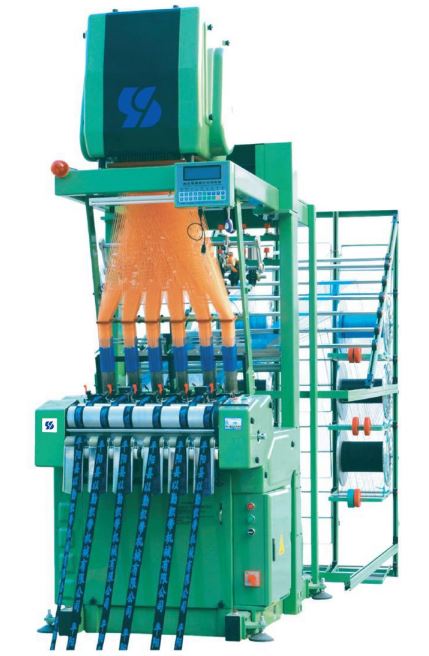
A standard needle loom is a practical choice for many plain, striped and structurally straightforward tapes. Computerized jacquard becomes relevant when the fabric must carry logos, lettering, detailed motifs or pattern changes that require independent warp control.
The decision should not be based on appearance alone. Jacquard capacity, tape width, number of positions, yarn construction and required backside quality all affect the configuration.
Compare the operating model
Computerized jacquard adds design flexibility, but also requires pattern preparation, file control and operators who understand both the textile structure and the control system.
- Standard loom: simpler setup and lower pattern complexity
- Jacquard loom: greater design range and brand differentiation
- Inverter control: useful for speed adjustment and sampling
- Hook count: selected according to pattern and width
- Number of tapes: balanced against width and production target
Test the real design
The best way to confirm a jacquard configuration is to share the intended artwork together with the finished tape specification. A supplier can then review whether the desired detail is realistic and which hook count or machine width is appropriate.
Leave time for sampling. Small changes to yarn, density and pattern organization can improve readability more than adding unnecessary machine capacity.