
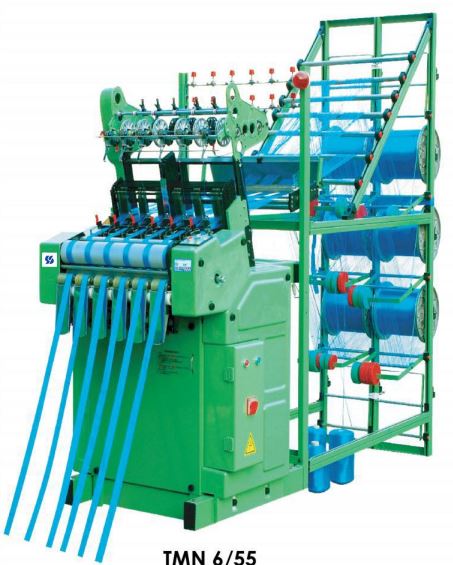
Width is only one part of the model
A buyer producing 25–40 mm tape needs to consider both the maximum width of each position and the number of tapes produced at once. A model with more narrow positions can deliver higher output for one standard size, while a wider-position model provides more flexibility for future products.
For example, a 12/25 configuration is aimed at up to 12 narrower tape positions with a nominal 25 mm working range per position. An 8/45 configuration offers fewer positions but a wider nominal range and can also be set for 25 mm products when correctly configured.
Choose for the actual order mix
If most orders are one high-volume 25 mm tape, more positions may be attractive. If a new factory expects mixed widths from 25 to 40 mm, an 8/45-type configuration can reduce the risk of buying a machine that is too narrow for later orders.
- List current and expected tape widths
- Separate elastic and rigid products
- Confirm yarn material and tape thickness
- Estimate order size and changeover frequency
- Check space for creel, loom and take-up
Confirm with a sample
The model code is not a complete specification. Frames, weft arrangement, take-up, rubber feeding, motor and electrical standard can change with the product.
Send a sample or construction drawing before quotation. The supplier should confirm the usable width, number of positions and included options in writing so that the purchase is based on the product rather than the shorthand model name.