
Growth does not remove the quality challenge
Textile Exchange reported that recycled polyester production increased from about 8.9 million tonnes in 2023 to 9.3 million tonnes in 2024, while its share of the total polyester market slipped to 12 percent because virgin-polyester growth was faster. For manufacturers, this means recycled inputs are important but supply quality and traceability remain uneven.
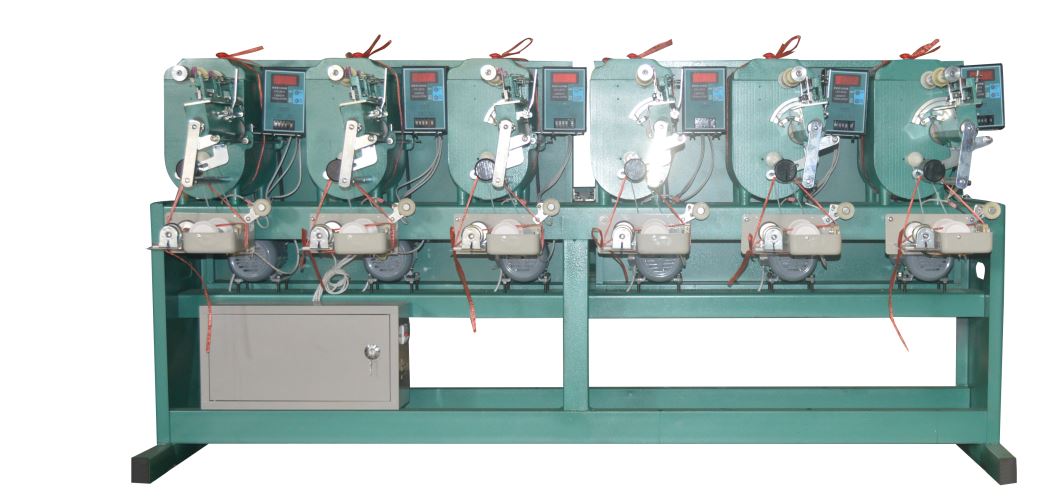
Recycled yarn can run successfully on winding, weaving and braiding equipment, but settings should not simply be copied from a virgin-yarn program. Variation in elongation, surface friction, package density and broken-filament behavior can affect tension and stoppage rates.
Where to control the process
Stable production begins before the loom or braider. Incoming packages should be checked by lot, and winding tension should be standardized. Operators should record the settings that work for each supplier and yarn specification.
- Separate and label yarn lots
- Use consistent package hardness and traverse
- Reduce sudden tension changes at guides and feeders
- Run a controlled sample before full production
- Keep defect and stoppage records by material lot
Select machinery for adjustability
When material sources may change, useful machine features include accessible tension adjustments, inverter-controlled speed, clear counters and repeatable setup points. The objective is not to claim that one machine eliminates material variation; it is to give operators enough control to manage that variation without excessive waste.