
Maintenance should follow production risk
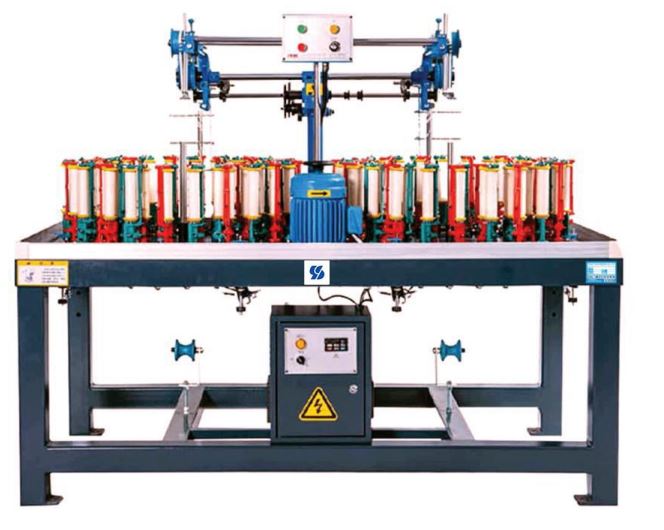
The best maintenance plan is not the longest checklist. It focuses on components whose wear changes product quality or can stop the machine: carriers, spindles, guides, needles, bearings, belts, tension devices, sensors and lubrication points.
Frequency should reflect operating hours, speed, dust level and material. A machine running abrasive fibers for three shifts needs a different schedule from a sample machine used intermittently.
Daily, weekly and monthly checks
Daily work should be quick enough that operators actually complete it. Weekly checks can involve a trained technician, while monthly inspections should compare current condition with a recorded baseline.
- Daily: clean yarn waste, listen for abnormal sound and check guards
- Weekly: inspect wear parts, belt tension, fasteners and lubrication
- Monthly: check alignment, electrical terminals, sensors and drive condition
- After a stoppage: record the cause, replaced part and machine position
Keep the right spares near the line
Critical spares are not always the most expensive parts. Low-cost needles, guides, springs, sliders, belts and sensors can create long downtime if they are unavailable. Build the initial spare-parts list around the machine configuration and local delivery time.
A clear machine number and part photo make remote support faster. Maintenance records also show whether repeated failure comes from normal wear, incorrect setup or a process condition that needs correction.